(Christmas) market stall red flags: 15 telltale signs of AI use in art
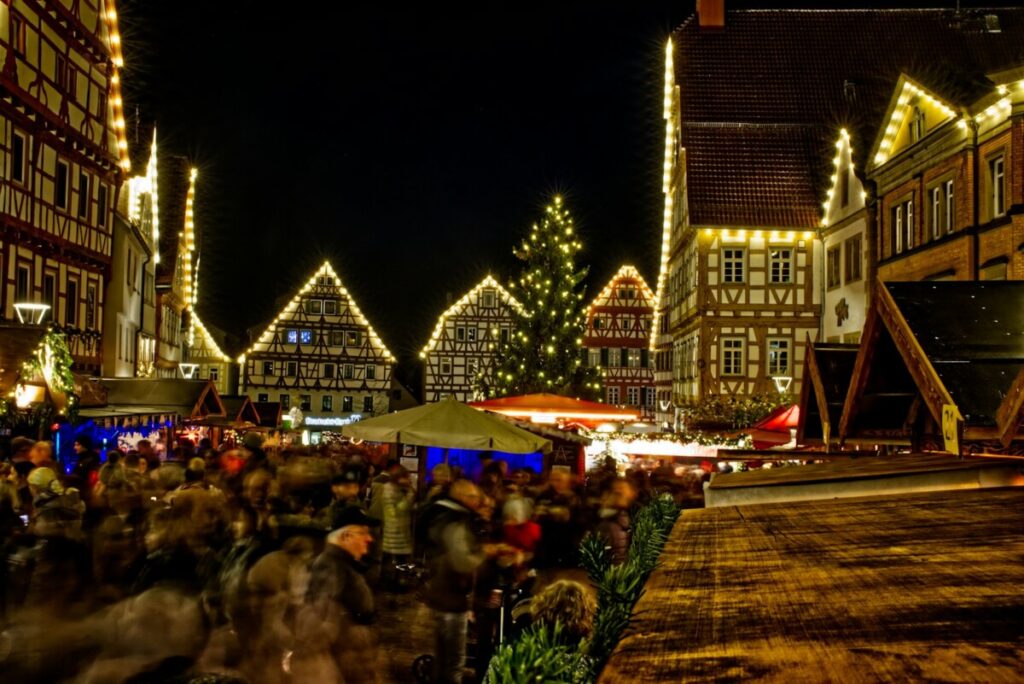
Advice follows anecdotal evidence of craft fair stallholders and market traders using AI to create their ‘original’ art
Allegedly some are also using drop-shipping techniques to resell ‘cheap’ products for profit
Protectivity – providers of insurance for small businesses, including crafters – researched some of the newer obstacles that crafters are facing at in-person events, and two concerning topics arose.
One hot topic that popped up several times in the discussions was artificial intelligence (AI). One anonymous crafter that Protectivity spoke to shared frustrations that some of their peers at previous events were seemingly selling art products (such as portraits, illustrations, and landscapes) that were marketed as ‘original’ or handmade, but were actually made with AI.
According to Glimpse, the search term ‘original art’ had 25K searches past month in the UK, which was an increase of 71% on the previous month. With many people expected to be searching for art items in the coming weeks (for festive gifts) or into the new year (to refresh their own home interiors), Protectivity have shared some visual clues and telltale signs of ‘AI art’ that shoppers can look for when buying art in-person.
On this, Sean Walsh, Head of Marketing at Protectivity commented: “As AI-generated art becomes more common at craft fairs and art markets, it can be tricky to tell whether something was created by hand, photographed, or made using an AI model. AI-generated images often include subtle inconsistencies or ‘glitches’, so looking for any odd details or anatomy (where human subjects are depicted) can be a good place to start…
“When it comes to art with a human subject in art, AI can struggle with realistic likeness. For example, AI still sometimes struggles with realistic fingers or natural hand poses, so look for too many or fused fingers, or strange hand positions. Eyes and reflections can also be a big giveaway – search for things like misaligned pupils, mismatched reflections, weird shadows, or an inconsistent light direction. If smaller details (such as jewellery, buttons, or glasses) appear melted, lopsided, or duplicated, this can also signal the use of AI in its creation.
“In general, an unbalanced composition, inconsistent colour use, and warped or wobbly lines (particularly near intersections) can signal AI use. Clues such as repeating or ‘impossible’ patterns can also be an indication of AI – as an example, backgrounds (especially foliage, fabric, or crowd scenes) might look uniform, too symmetrical, or slightly warped.
“Another proof to note is that AI also tends to mangle small text… If the artwork includes text (such as lettering, signage, book covers, or logos), check if the text is gibberish, backward, or inconsistent. Incoherent text, unreadable fonts, and uneven spacing between letters and words can also hint to the use of AI. Also, AI prints often come from digital files rather than scans of real paintings, so pixelation or digital noise can also be a giveaway!
15 telltale signs of AI in art include:
Art with human subjects:
- Too many, or fused, fingers
- Strange hand positions
- Misaligned pupils or strange eye directions
- Mismatched reflections
- Inconsistent light direction, including shadow positions
- Melted, lopsided, or duplicated details in jewellery, buttons, or glasses
Art with text (such as lettering, signage, book covers, or logos):
- Incoherent text, gibberish
- Backwards or mirrored text
- Unreadable fonts
- Uneven spacing between letters and words
All art subjects:
- Unbalanced composition
- Inconsistent colour use
- Warped or wobbly lines (particularly near intersections)
- Repeating or ‘impossible’ patterns (for example, in backgrounds like foliage, fabric, or crowd scenes)
- Pixelation or digital noise
Walsh added: “If you suspect a piece might be AI-generated, speak to the seller. Some artists are open about using AI as part of their process (for concepting or composition), so ask about theirs. If the seller is evasive or can’t describe their process in detail, that’s often a red flag in itself.
Using drop-shipping techniques to resell ‘cheap’ products for profit was another issue highlighted in the research. On this, Walsh shared: “According to anecdotal evidence from crafters, some stallholders are (allegedly) using drop-shipping techniques – buying products from marketplaces such as Temu, Shein, AliExpress, or Alibaba for cheap, and then reselling at a higher price point for profit – instead of designing and making their own products for sale. According to online forums discussing the topic (such as the ‘r/CraftFairs’ subreddit), homeware, clothing and accessories were the most common items for this practice.
For those considering selling their own (genuine) wares at an in-person event, Walsh said: “Sometimes, there’s nothing like good old face-to-face selling. Local markets and craft fairs are fantastic for building a loyal customer base in your community. You get instant feedback, and people can see and touch your products in person, which can be a huge selling point. Plus, these events are a great way to network with other local artisans and even find potential collaborations. And let’s be honest – there’s something incredibly satisfying about watching someone discover a genuine appreciation for your work right before your eyes”.
Protectivity’s crafter’s insurance policy covers several different types of craft businesses including: textiles, paper crafts, handmade jewellery, artwork and paintings, beauty products, and more.
Chris Trotman, Protectivity Underwriting Manager added: “As a crafter, whether you’re running a home-based side hustle, selling at local markets, or operating a small business online, having the right insurance is essential. Crafters Insurance protects you against potential claims of injury or damage that could arise from your handmade products. Every craft business will be unique, so the cost of crafters insurance can vary depending on what you offer and the level of cover you need… but without proper coverage, you could face significant financial losses. Our public liability insurance for crafters ensures you can focus on your creativity and business growth without worrying about unexpected liabilities. Protecting your passion and livelihood with the proper cover is the smart choice”.
For more information on the full research – which also looked into demand for markets, craft fair, and Christmas markets in cities across the UK – visit https://www.protectivity.com/knowledge-centre/christmas-market-insights/