Menopause skin warning as Snow warnings circulate: expert reveals how to protect skin and hair in cold, harsh weather
Storm Goretti brought u plunging temperatures, high winds and driving rain across the UK, and as Brits face into another round of snow next week, menopause experts are warning that extreme winter weather can significantly worsen dry skin, sensitivity and hair breakage in women going through perimenopause and menopause.
Cold outdoor air combined with dry indoor heating strips the skin of moisture – a challenge made greater during menopause, when falling oestrogen levels naturally reduce collagen, oil production and the skin’s ability to retain hydration.
Vikki Lee, skincare expert and co-founder of Dr Menopause, explains:
“Cold weather can be incredibly disruptive for menopausal skin. Biting outdoor temperatures combined with dry central heating strip the skin of moisture, often leaving it feeling tight, uncomfortable and prone to flaking.
“During menopause, the skin barrier is already more vulnerable, so consistent, nourishing moisturisation becomes essential.”
Why menopausal skin suffers more in winter
During menopause, hormonal changes slow skin regeneration and weaken the protective barrier that locks in moisture. When harsh weather hits, this can lead to increased dryness, redness, itching and sensitivity – particularly on exposed areas such as the face, neck and hands.
Hair and scalp are also affected, with many women experiencing dryness, increased shedding and breakage during colder months.
The moisturising rule to follow in cold snaps
According to Dr Menopause, the answer is simple but crucial: moisturise – and then moisturise again.
“In colder weather, menopausal skin needs more than a light moisturiser,” says Vikki Lee. “Ingredients like ceramides are key, as they help retain vital moisture and support a healthy skin barrier at a time when hormonal changes make skin drier and more sensitive.”
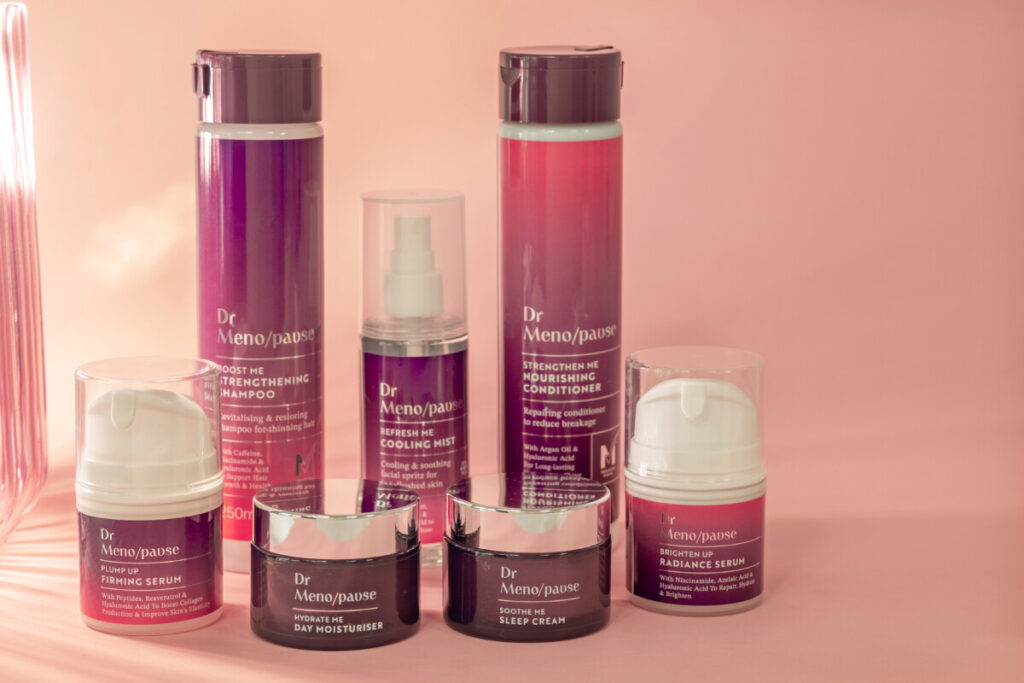
Dr Menopause’s Soothe Me Sleep Cream is designed specifically for menopausal skin, using ceramides to replenish lost lipids, lock in hydration and support overnight skin repair – when regeneration is at its most active.
Winter hair & scalp care during menopause
Stormy weather can also exacerbate scalp dryness and hair fragility. Experts recommend treating the scalp like skin, reducing heat styling where possible and using protective leave-in products to shield hair from cold winds and friction.
A gentle reminder for winter self-care
Beyond physical symptoms, darker days and extreme weather can heighten menopause-related fatigue and anxiety. Building simple skincare and haircare rituals into daily routines can offer both physical comfort and emotional reassurance during challenging winter conditions.
“Menopause skincare isn’t about reversing ageing,” adds Vikki Lee. “It’s about supporting skin and hair through real physiological change – especially when environmental stressors like cold weather place extra strain on the body.”