You Are Never ‘Too Old’ To Make New Friends
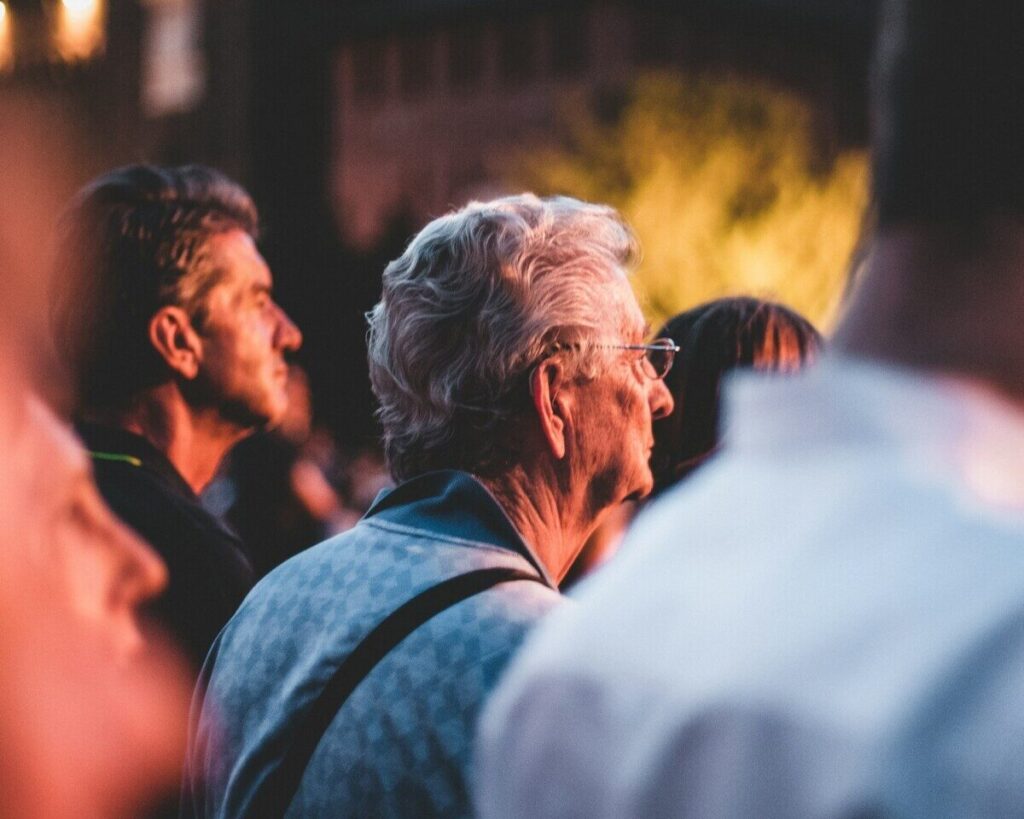
Social groups provide valuable emotional, mental, and physical benefits for elderly people, helping improve overall quality of life and reduce feelings of isolation. As people age, changes such as retirement, reduced mobility, bereavement, or living alone can sometimes lead to loneliness and social withdrawal. Participating in social groups offers older adults meaningful opportunities to stay connected, active, and engaged within their communities.
One of the greatest benefits of social groups for the elderly is the reduction of loneliness. Through social groups such as ones organised by Age UK regular interaction with others helps create friendships and a sense of belonging, which can have a positive impact on emotional well-being. Whether through community clubs, hobby groups, walking groups, or coffee mornings, these activities encourage conversation and companionship. Having a supportive social network can help older adults feel valued and less alone.
Social groups also play an important role in supporting mental health. Staying socially active can reduce stress, anxiety, and symptoms of depression while promoting a more positive outlook on life. Engaging in discussions, games, creative activities, or educational programs helps stimulate the brain and may contribute to maintaining cognitive function as people age. Activities such as quizzes, reading clubs, and arts and crafts encourage learning and mental engagement, which can improve confidence and memory.
Physical health can also benefit from social participation. Many groups involve light exercise or outdoor activities such as dancing, gardening, yoga, or walking. These activities help older adults maintain mobility, balance, and physical strength while also encouraging healthier lifestyles. Even gentle movement can improve circulation, flexibility, and energy levels, helping seniors remain more independent for longer.
Another advantage of social groups is the emotional support they provide. Elderly individuals often face significant life changes, including health concerns or the loss of loved ones. Being part of a group allows people to share experiences, receive encouragement, and build supportive friendships with others who may understand similar challenges. This emotional connection can greatly improve resilience and self-esteem.
Social groups also give older adults a renewed sense of purpose. Volunteering, mentoring, joining in group projects, or helping organize events can help individuals feel productive and appreciated. Maintaining a sense of routine and involvement in activities can increase motivation and overall happiness.
Technology-based social groups have also become more common, especially for seniors with limited mobility. Online communities, virtual classes, and video chat groups allow elderly people to stay socially connected from home, helping bridge the gap for those unable to attend in-person activities.
Overall, social groups are an important part of healthy aging. They provide companionship, mental stimulation, emotional support, and opportunities for physical activity, all of which contribute to improved well-being. By encouraging older adults to remain socially active, communities can help support healthier, happier, and more fulfilling lives for the elderly population.