A Sleep Therapist Answers: Are Naps Good for You in Later Life?
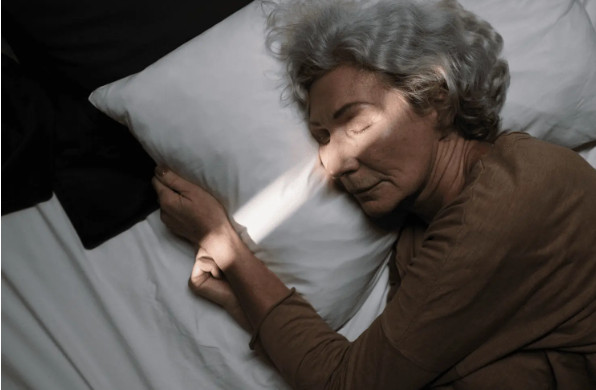
Napping is something many of us are drawn to as we get older. We may feel the need for a daytime rest, even if we’re sleeping reasonably well at night. Or we start involuntarily nodding off on the sofa before bedtime…
But are naps actually good for you – or can they interfere with nighttime sleep?
Sleep therapist Dr Nerina Ramlakhan explains what’s really going on.
Are naps good or bad for you?
“Personally, I love having an occasional afternoon nap,” says Dr Nerina. “Research suggests that when done correctly, it can support your physical, mental and emotional well-being.”
As we age, changes in sleep architecture mean we often experience lighter sleep at night and earlier wake times, which can naturally increase the need for daytime rest.
However, Nerina stresses that naps should support sleep – not replace it.
“Napping shouldn’t be used as a substitute for good nighttime rest.”
Why do we nap more as we get older?
“As we age, we naturally nap more due to changes in sleep architecture, such as lighter sleep and earlier wake times,” explains Dr Nerina.
This doesn’t necessarily mean something is wrong – but it does mean our sleep patterns may need more care and attention.
“Naps can become a healthy habit when used well, rather than a way of catching up on poor nighttime sleep.”
What are the benefits of napping?
When done correctly, naps can have a range of benefits:
“Napping can support improved cognitive function, faster recall, reaction times and alertness,” says Dr Nerina. “It can also improve mood, reduce fatigue and support emotional wellbeing.”
Other benefits may include:
- Increased energy and reduced fatigue
- Faster recovery from illness or exertion
- Improved alertness
How long should a nap be?
This is one of the most common questions she hears – and the answer depends on the type of nap. Let’s break it down.
The power nap (10–20 minutes)
“The ideal nap is 10–20 minutes and no longer,” says Dr Nerina.
“This is the optimal length to maintain focus and concentration. It’s a deep state of relaxation, almost like meditation.”
She also advises avoiding beds for short naps:
“If you nap in bed, you’re more likely to drift into deeper sleep stages, which can leave you feeling groggy.”
So, sofa sleeping is not always a bad thing.
The recovery nap (30–45 minutes)
“This is useful if you’ve missed sleep or are feeling run down,” Nerina explains.
But timing matters.
“Set an alarm. If you go beyond 45 minutes, you risk sleep inertia – that groggy feeling that can affect your evening sleep.”
Longer naps (60–90 minutes)
These may be helpful in specific situations:
“Longer naps can be useful for people with disrupted sleep schedules, such as shift workers.”
When is the best time to nap?
“For most people, the ideal time is between 2–4pm,” says Nerina. “Napping later than this can interfere with nighttime sleep quality.”
Can naps ever be a bad thing?
Yes – particularly when they become excessive or are used to compensate for poor sleep at night.
“If you’re falling asleep frequently during the day, or taking long involuntary naps, it’s time to speak to your GP.”
She also notes that persistent excessive sleepiness may sometimes be linked to underlying health conditions.
Are naps helpful for insomnia?
This is where caution is needed.
“If you struggle with insomnia, naps may not be helpful,” she explains. “They can reduce sleep drive and make it harder to fall asleep at night.”
In these cases, addressing the underlying sleep issue is more important than relying on daytime rest.
Wrapping up
As we get older, naps can be a helpful way to restore energy – but only when used in the right way.
“A 10–20 minute power nap can make a real difference,” says Dr Nerina. “The more you practise napping well, the more effective it becomes.”
For those looking to improve rest and relaxation at home, she adds that comfort and positioning also play a role – including supportive seating and adjustable sleep environments.
“Sleep and rest are not just about night-time. They’re about how we support the body throughout the day.”
Learn more: How to prepare for a good night’s rest during the day.
Key takeaway
Used well, naps can be a simple but powerful tool for wellbeing in later life – but timing, length, and purpose all matter.
About the author
Dr Nerina Ramlakhan is a sleep therapist and author who helps people sleep better, reduce stress and feel more energised in everyday life. She also works in partnership with Oak Tree Mobility.
Related: Why do we get more tired as we age?
Further reading & sources
- Tired but Wired. Dr Nerina Ramlakhan (Profile Books, 2010)
- Fast Asleep Wide Awake. Dr Nerina Ramlakhan (Harper Collins, 2016)
- nhs.uk/conditions/excessive-daytime-sleepiness-hypersomnia
- oaktreemobility.co.uk/help-and-advice/health-and-wellbeing/the-consequences-of-a-lack-of-sleep-in-the-elderly
- oaktreemobility.co.uk/help-and-advice/health-and-wellbeing/the-benefits-of-napping
- oaktreemobility.co.uk/help-and-advice/health-and-wellbeing/what-to-do-during-the-day-to-prepare-for-a-better-night-s-sleep
Image Oak Tree Mobility