Healthy life expectancy in UK falls to record low, with postcode gap of up to 15 years
My Future Living says later-life housing has growing role to play in helping people stay well, independent and connected
Healthy life expectancy in the UK has fallen to its lowest level since records began, according to the latest Office for National Statistics figures[i] with new analysis also revealing major regional differences in how long people can expect to live in good health.
Men in the UK can now expect to spend 60.7 years in good health and women 60.9 years, both down on previous years. Healthy life expectancy has also declined in more than four out of five local authority areas across the UK and in every region of England.
Regional inequalities remain stark. In England, the South East continues to have the highest healthy life expectancy at birth, at 63.0 years for men and 64.3 years for women, while the North East has the lowest, at 57.0 years for men and 56.9 years for women. The North East has recorded the lowest healthy life expectancy at birth in every period since the time series began.
The difference in healthy life expectancy between local areas now stands at 14.7 years for men and 15.8 years for women, underlining the extent to which where people live can shape health, independence and quality of life in later years.
My Future Living said the figures should sharpen attention on the role housing plays in helping people stay independent, connected and well in later life.
Joanne Couch, Director of Finance and Operations at My Future Living, said: “Living longer is only part of the story. What matters just as much is whether people can stay healthy, independent and connected as they get older.
“These figures highlight something many older people already know which is where you live can have a real impact on your wellbeing, confidence and day-to-day quality of life. The right home and community can make a meaningful difference, especially later in life, by offering security, stability and the reassurance that support is there if needed.”
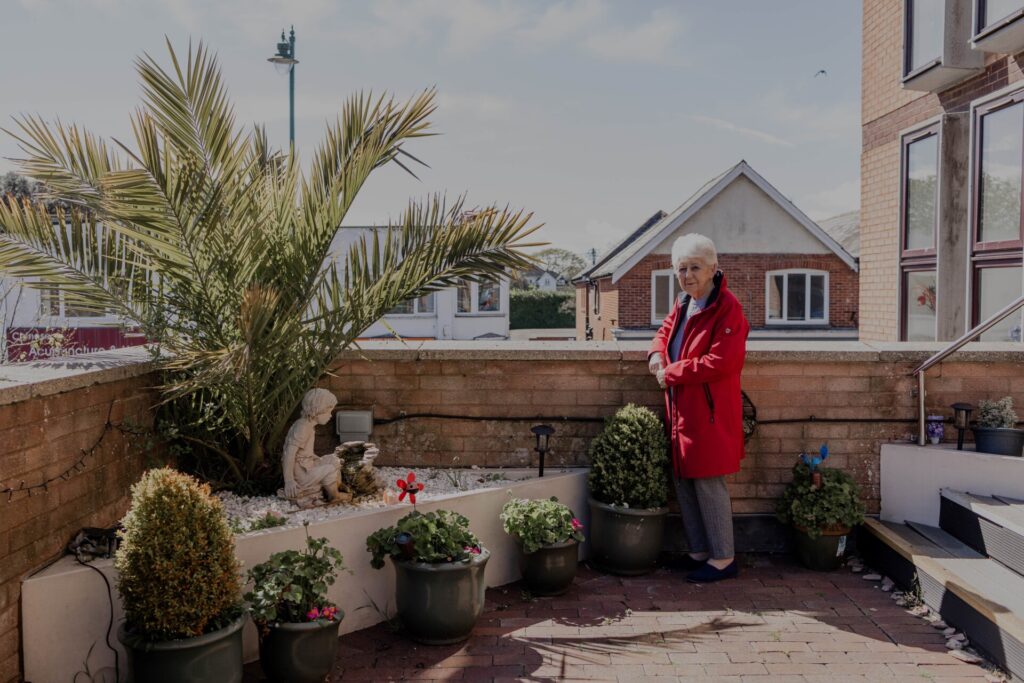
The issue is reflected in the experience of Robina Harper, 85, who lives in New Milton. Originally from Kent, Robina moved to the area five years ago where she rented privately. She then made the move to retirement development, Homehill House, where she has found the security and peace of mind.
Before retiring 25 years ago, Robina spent 14 years working at Marks & Spencer. She now enjoys an independent lifestyle with the reassurance of a stable home and supportive neighbours.
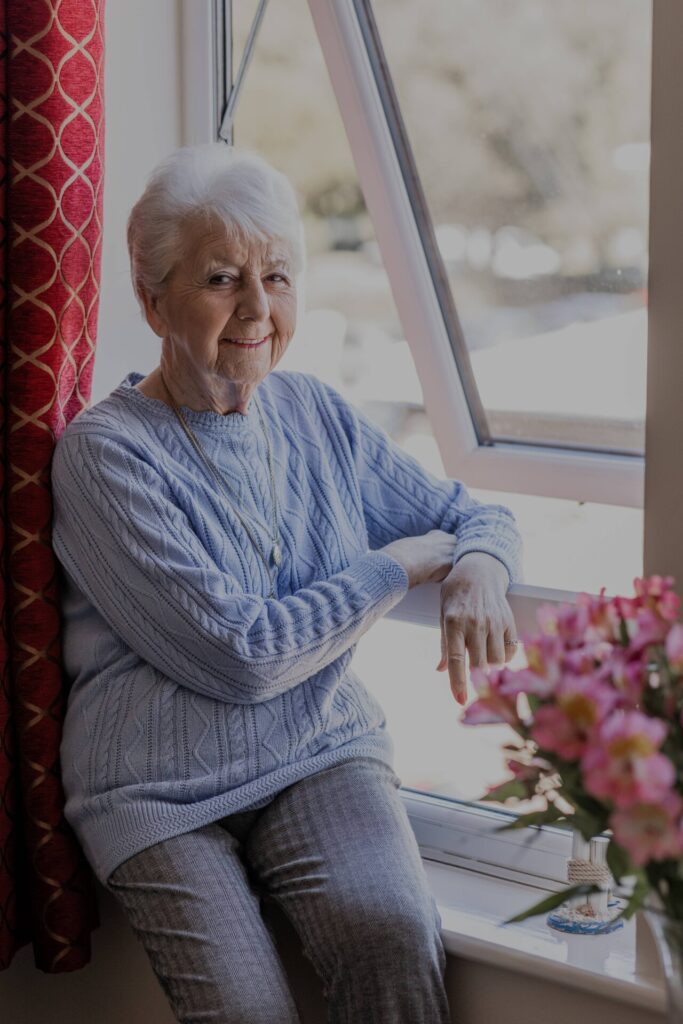
When asked about life at Homehill House, Robina replied: “It’s a wonderful place to live. You can be as social or as private as you like. I get on well with my neighbours, and we often enjoy a cup of tea and a chat, and sometimes that’s all you need to not feel alone.”
Robina has built a strong local network of friends and enjoys getting out and about, particularly visiting the nearby New Forest. She says: “I love going to see the horses; it’s such a beautiful place. It makes you feel calm and happy.”
For Robina, it’s the combination of independence and reassurance that has given her the retirement she has always wanted. She concludes: “I feel completely safe, very happy and I wouldn’t want to live anywhere else.”
The company said the figures show that ageing well is not only about how long people live, but how and where they live too.
Joanne Couch added: “When people think about later life, they often focus on finances, but choosing the right place to live is just as important. A good home is about much more than bricks and mortar. It is about feeling connected, secure and able to live life on your own terms.”
For further information about My Future Living, visit: www.myfutureliving.co.uk.