Why More Women Are Looking at NAD+ During Menopause
Hot flushes, disrupted sleep, brain fog, fatigue, and declining energy levels are among the most common symptoms women experience during menopause. While hormone replacement therapy remains an important option for many, growing numbers of women are also exploring ways to support their overall wellbeing, energy production, and recovery during this stage of life.
One area attracting increasing attention is NAD+ (nicotinamide adenine dinucleotide), a naturally occurring molecule found in every cell of the body. NAD+ plays a critical role in cellular energy production, DNA repair, and metabolic function. However, levels naturally decline as we age, with research suggesting they can fall by around 50% between the ages of 40 and 60. As women enter perimenopause and menopause, this decline may coincide with a period when many are already experiencing changes in energy, sleep quality, and overall resilience. Entrepreneur Jak Leese, founder of wellness brand NEU+, believes this growing awareness is changing the conversation around healthy ageing.
“Ageing is something all of us do, and there’s absolutely no shame in wanting support along the way. We originally developed NEU+ after I experienced burnout myself, but it’s been fascinating to see how many women approaching or going through menopause have become interested in the science behind NAD+.” Jak says.
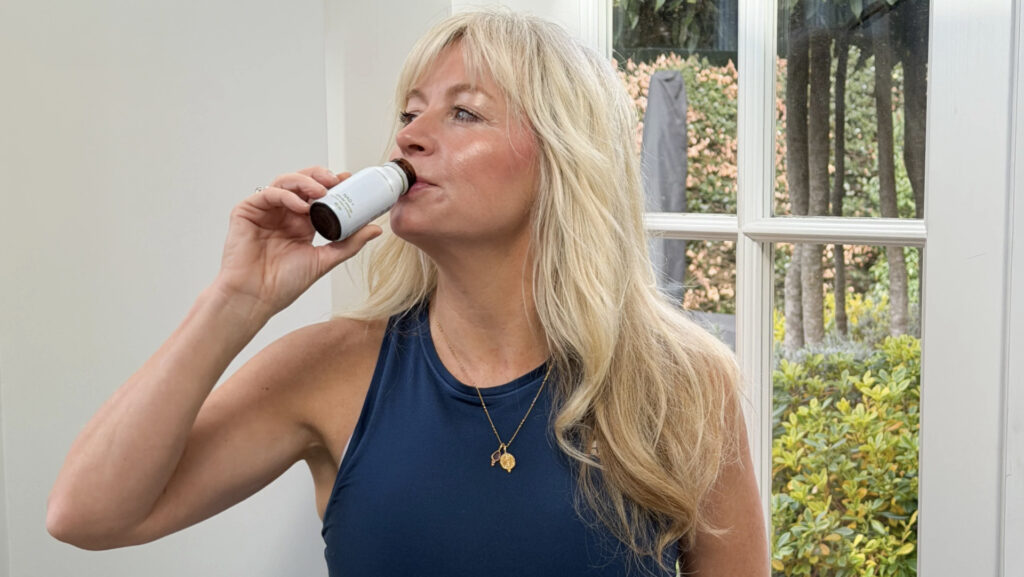
Leese founded NEU+ in early 2026 after discovering NAD+ therapy while recovering from a period of burnout caused by balancing business leadership, family life and elite HYROX training. Although he found traditional NAD+ IV treatments effective, he was frustrated by their cost and accessibility, with some treatments costing hundreds of pounds per session. That experience led to the creation of NEU+, which has launched what it describes as the world’s first ready to drink NAD+ supplement shot containing Nicotinamide Riboside, a clinically studied precursor that helps the body produce NAD+.
The growing interest in NAD+ among women over 50 reflects a wider shift towards proactive ageing and preventative wellness. Recent years have seen increasing numbers of women seek ways to support their long-term health beyond simply managing symptoms. Sleep quality, stress management, exercise, nutrition, and cellular health have all become major areas of focus. Leese says many women have contacted the brand after hearing discussions around NAD+ and menopause.
“We’ve seen interest from people far beyond the fitness community,” he explains. “Many women tell us they’re looking for ways to feel more like themselves again. They’re busy professionals, mothers, grandmothers, and carers who want to maintain their energy as they get older.”
The topic was recently highlighted during a discussion between wellness advocate Fiona Lambert and NEU+ ambassador Sarina Mughal, who explored the role of NAD+ supplementation as part of broader conversations around ageing and wellbeing. Their discussion reflects a growing trend among women who are taking a more active role in understanding what is happening inside their bodies during midlife. While menopause affects every woman differently, health experts continue to emphasise the importance of focusing on overall wellbeing through healthy lifestyle habits.
Regular exercise, quality sleep, stress reduction, and a balanced diet remain the foundations of healthy ageing. Increasingly, however, consumers are also becoming interested in the science of cellular health and how age-related biological changes may influence how they feel. For Leese, that curiosity is a positive development.
“For years we’ve accepted feeling tired, slower or less resilient as something we just have to put up with,” he says. “But people are starting to ask better questions about what’s happening inside their bodies. Whether it’s menopause, ageing or recovery in general, understanding the science gives people more options and more control over how they approach their health.”
As conversations around menopause continue to become more open, experts believe awareness of cellular health and NAD+ is likely to become an increasingly important part of the healthy ageing discussion.